
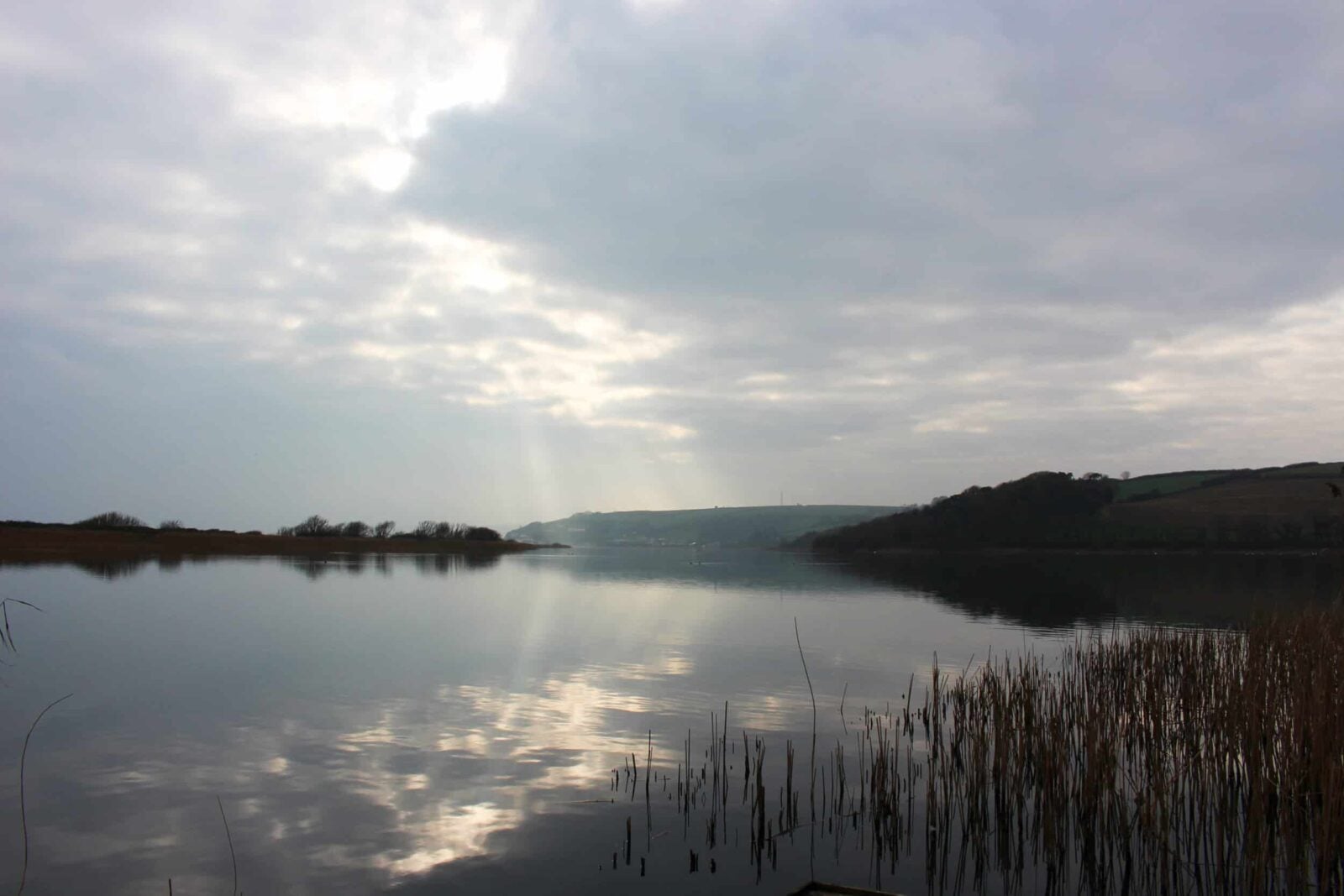
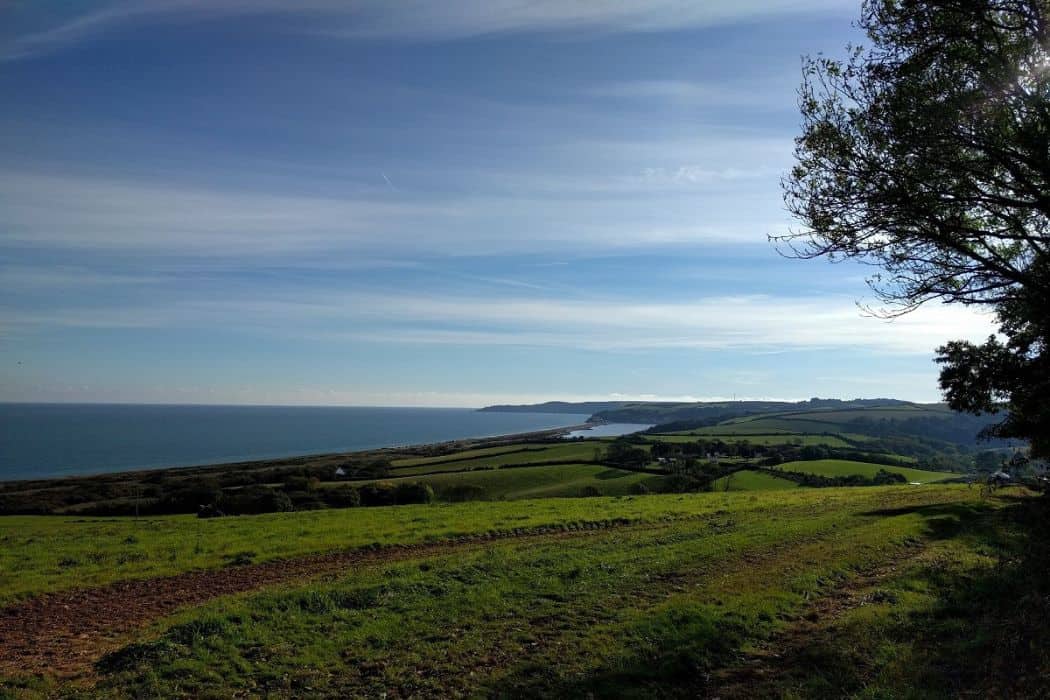
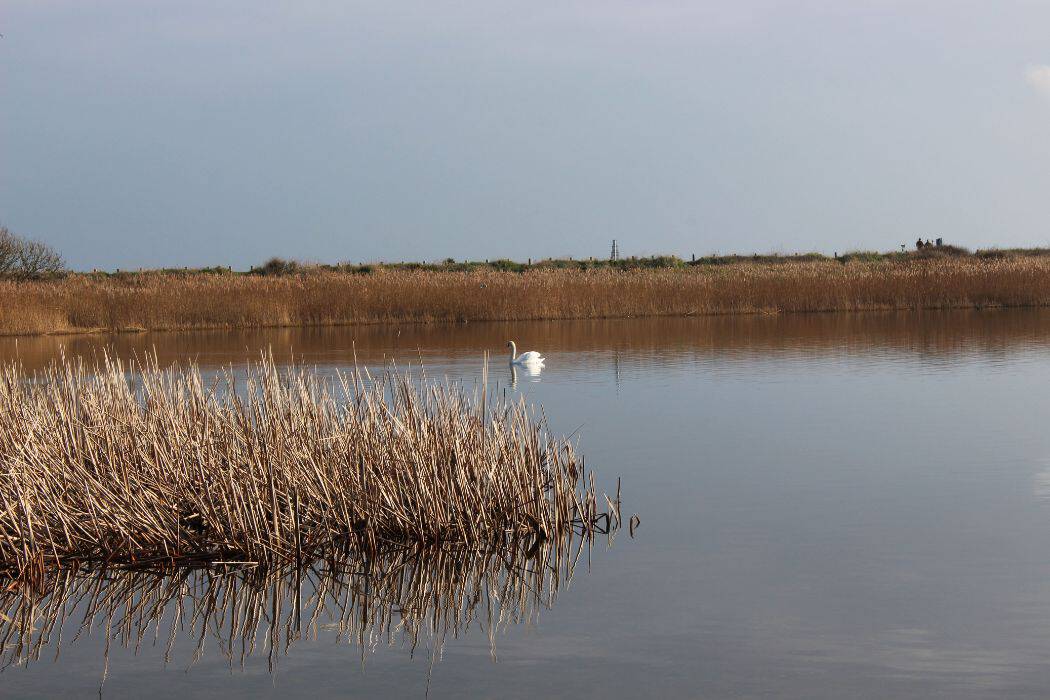
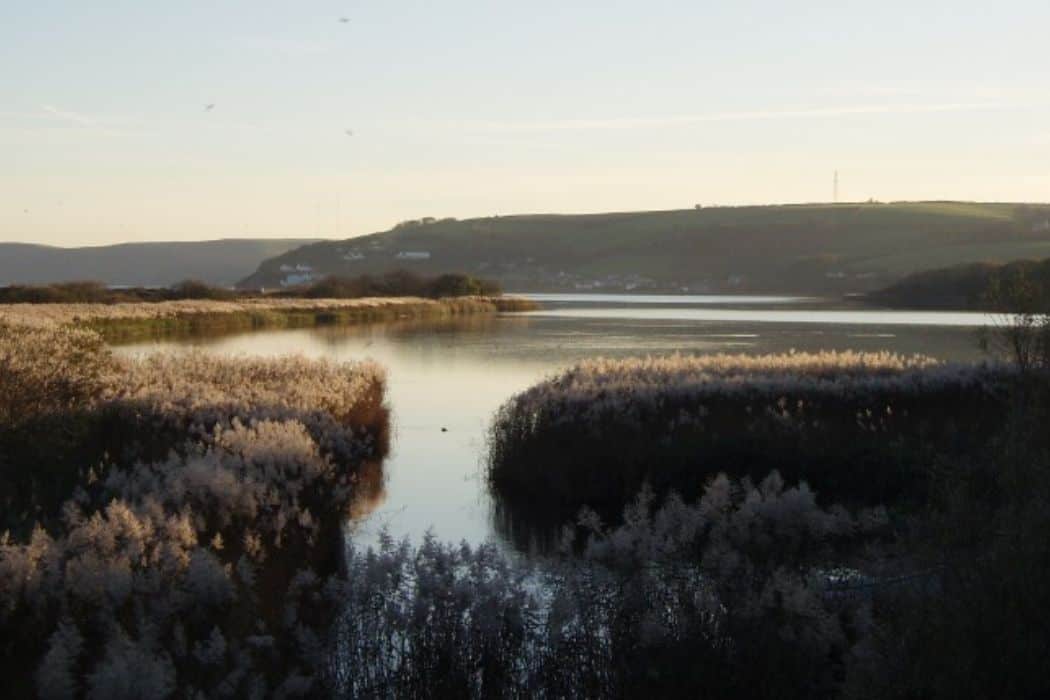
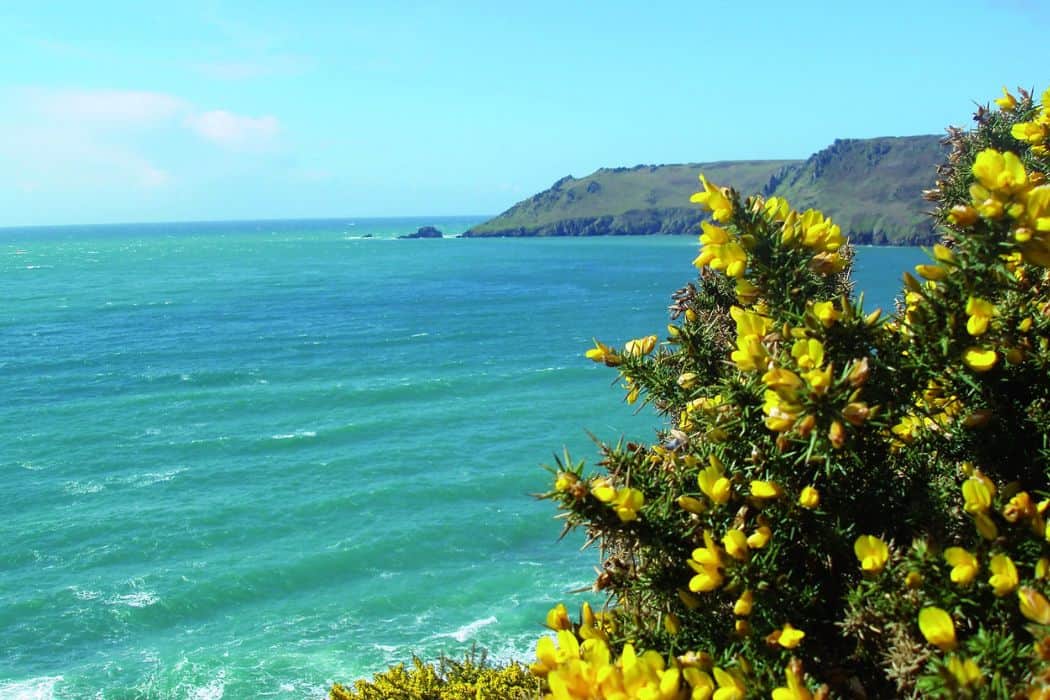
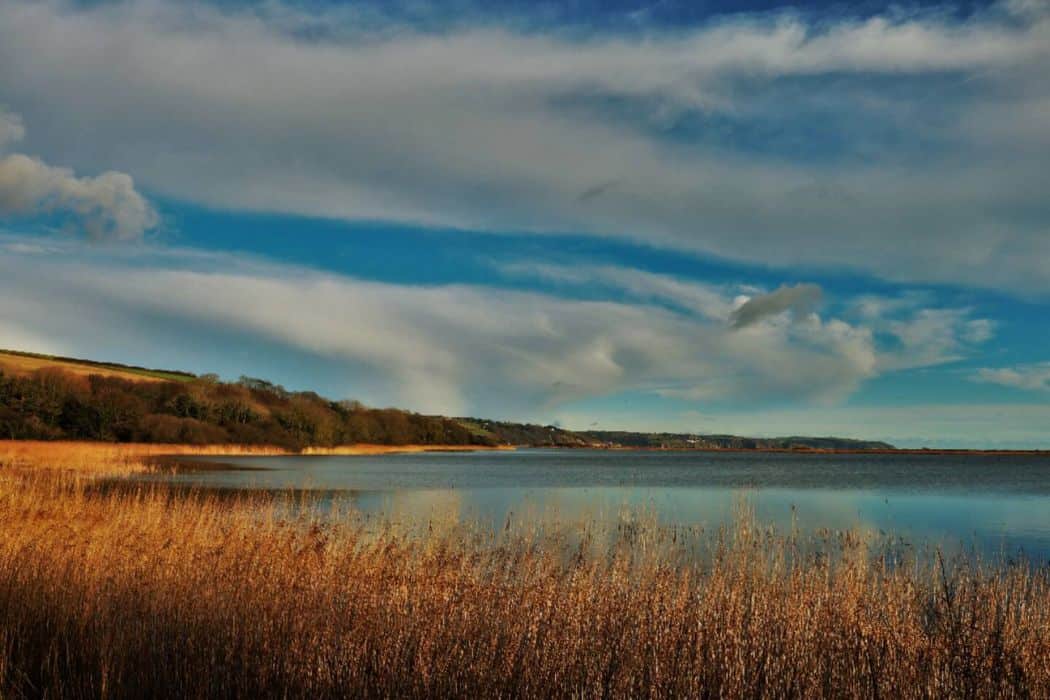
Slapton Ley is the largest natural lake in south-west England. Although it is only separated from the sea by a narrow shingle bar, it is entirely freshwater. The lake is surrounded by reedbeds, marshes and woodland habitats.
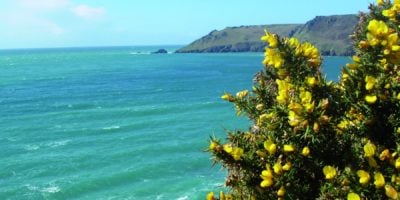
It is a Site of Special Scientific Interest (SSSI) and was declared a National Nature Reserve (NNR) in 1993. The nature reserve is open daily and there are no entrance fees. As well as being a stunning spot for walking, the outstanding views also make Slapton Ley a great location for film and photo shoots.
The NNR is managed by the Field Studies Council in partnership with the owners Wild Planet Trust, Natural England and South Hams District Council.

Find out more about events held at Slapton Ley and the Nature Reserve
If you’re planning to visit Slapton Ley National Nature Reserve, here’s what you’ll need to know.
Discover more about the wildlife and habitats of Slapton Ley National Nature Reserve
Find out more about Slapton Ley National Nature Reserve research projects
For more information about Slapton Ley Field Centre, click here
Facilities
-
 Car Parking: Pay and display car park
 -
 Library: We have a large well-stocked scientfic library.
 -
 Public Transport: Close to rail or tube stations and bus stops
Travel to Slapton Ley National Nature Reserve
Navigate with:
Slapton Ley Field Centre
Slapton
Kingsbridge
Devon
TQ7 2QP
We are located near excellent transport routes.
13 miles (20km) from Totnes station
20 miles (30km) from A38
As part of our environmental commitment, we encourage all visitors to travel by coach, train or public transport. Field Studies Council has developed links with First Travel Solutions to help reduce the cost of transport to our Centres. If you would like to receive a quote from First (Education & School Travel), click here or ask our administration team for more information.
How To Reach Us By Train
Totnes Station is on the South West Main Line.
Under 3 hours direct to London Paddington.
Under 3 hours direct to Birmingham New Street.
How To Reach Us By Bus, Bike Or On Foot
The 3 Bus Service from Plymouh to Slapton via Kingsbridge and from Dartmouth to Slapton is operated by Stagecoach. The bus stops on Slapton Line and at the village bus stop outside the Centre. For the more energetic, the Nature Reserve is on the route of a national trail, the South West Coastal Path and near Route 28 of the Sustrans National Cycle Network.
Centre contact form
"*" indicates required fields